Budget and prices
What a smart home actually costs to run for a year
Count the watts, the subscriptions and the depreciation separately. A 14-device house comes to about $180 a year, and electricity is the smallest line.

People ask what a smart home costs to run and mean the electricity. The electricity is the smallest of the three numbers, and working it out first is useful mainly because it shows you how small it is.
This guide builds the annual cost in four parts: the standing electrical draw, the subscriptions, the hardware spread across the years you keep it, and the one saving on the other side of the ledger. Every price is an example used to show the arithmetic; this site carries no price feed.
Part one: the watts
One watt drawn continuously for a year is 8.76 kWh. The EIA's Electric Power Monthly put the average U.S. residential retail price at 18.16 cents per kWh for August 2026, so at a rounded $0.18 one watt costs about $1.58 a year. Every row below is that one multiplication.
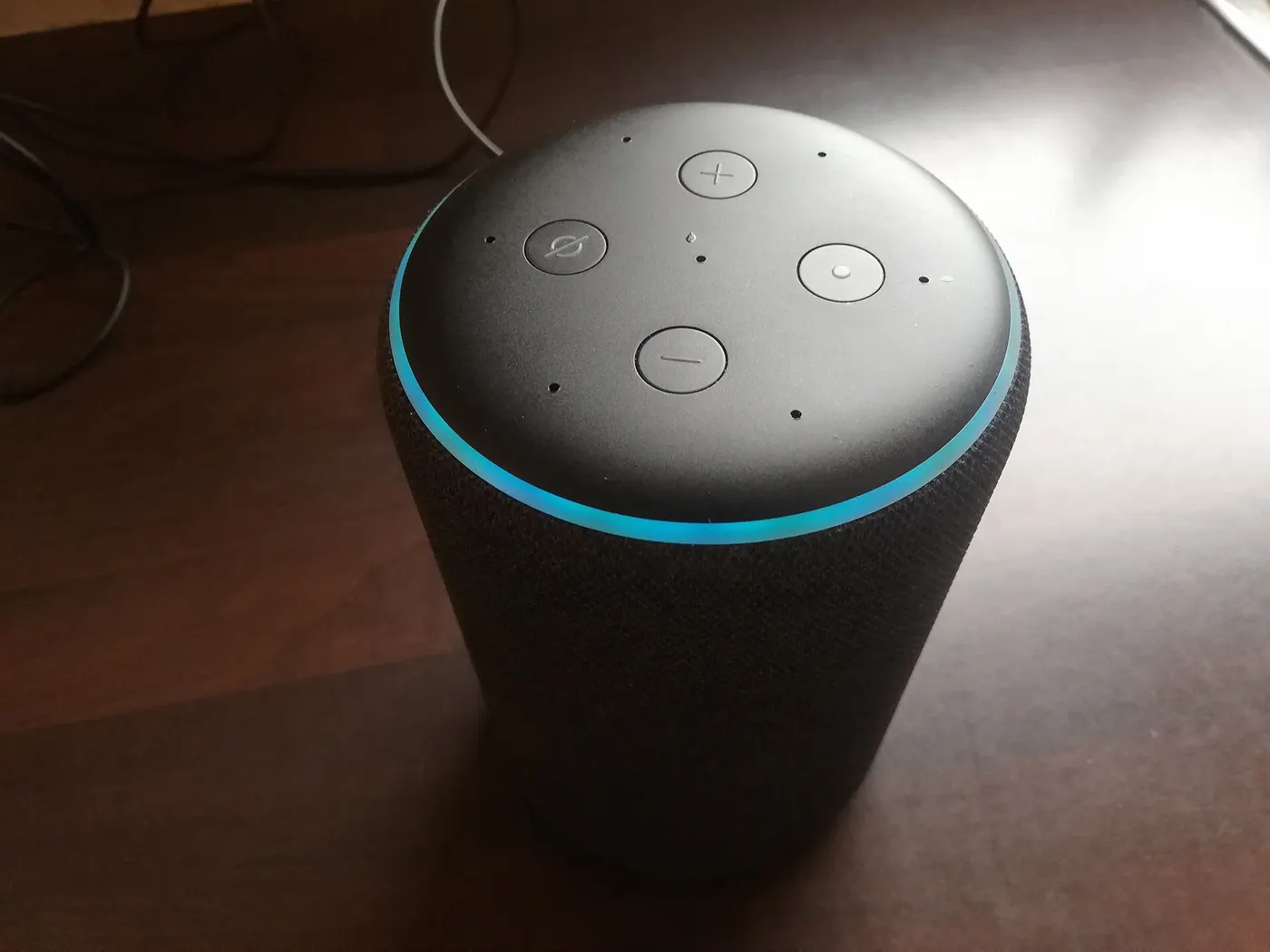
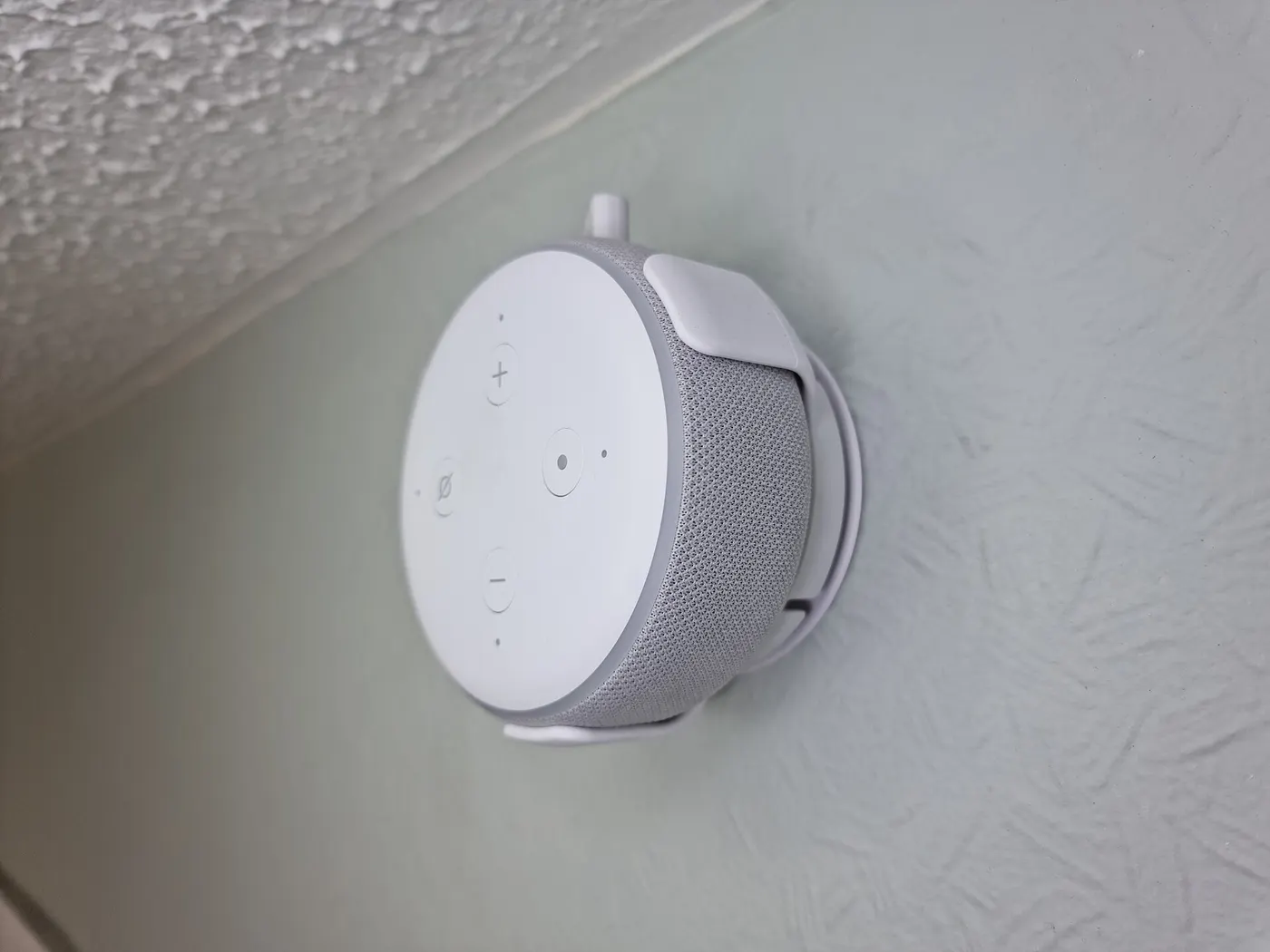
The household in this table has 14 devices. The draws for the hub, speaker, plugs, bulbs and doorbell are assumptions chosen to be realistic rather than measurements of named products, and they are the numbers to replace with your own meter readings. The total comes to 15.4 W, which is 134.9 kWh and about $24.28 a year.
What the table shows is that no single device matters. The four plugs together cost $6.31 a year; the doorbell costs $4.73. Nothing here is a line you would act on, and that is the finding, not a disappointment.
| Device | Count | Assumed draw each | Total watts | kWh per year | Cost per year |
|---|---|---|---|---|---|
| Hub or bridge | 1 | 3 W | 3.0 W | 26.3 | $4.73 |
| Smart speaker | 1 | 2 W | 2.0 W | 17.5 | $3.15 |
| Smart plug | 4 | 1 W | 4.0 W | 35.0 | $6.31 |
| Smart bulb, standby | 6 | 0.4 W | 2.4 W | 21.0 | $3.78 |
| Video doorbell | 1 | 3 W | 3.0 W | 26.3 | $4.73 |
| Smart thermostat | 1 | 1 W | 1.0 W | 8.8 | $1.58 |
| Total | 14 | - | 15.4 W | 134.9 | $24.28 |
Watts x 8.76 gives kWh; kWh x $0.18 gives the cost. The per-device draws are assumptions, not manufacturer figures, and are there to be replaced with meter readings.
Part two: the subscriptions, which are larger
A camera or doorbell that records only to a paid plan turns a one-off purchase into a standing cost. On an example plan at $3 a month, that is $36 a year, about one and a half times the entire electricity bill for all 14 devices above.
The arithmetic is trivial and the effect is not. Two cameras on separate plans at $6 a month is $72 a year, three times the electricity. A whole-home plan at an example $10 a month is $120 a year, which is five times it.
This is the line to settle before purchase, because it is the one that cannot be optimised afterwards. A device that stores clips locally to a card or a drive has a different annual cost from an identical-looking device that does not, and the difference does not appear on either box.
| Plan | Example monthly price | Per year | Multiple of the electricity bill |
|---|---|---|---|
| One camera plan | $3 | $36 | about 1.5x |
| Two camera plans | $6 | $72 | about 3x |
| Whole-home plan | $10 | $120 | about 5x |
These monthly figures are illustrative amounts chosen to show the ratio. They are not quoted prices for any named service.
Part three: the hardware, spread over the years you keep it
A smart home assembled over two or three years is easy to lose track of. Totalling it once is useful: an example $600 of devices kept for 5 years is $120 a year, kept for 8 years is $75 a year, and replaced after 3 years is $200 a year.
That single division is about two-thirds of the whole annual cost on the figures in this guide, which makes the length of time a device stays useful the most valuable thing you can influence. A hub that stops receiving updates after 3 years costs you more than every watt in the first table.
Resale and reuse change the figure in the same way they change a car. A thermostat that moves to your next home has its $600 spread over more years; a cloud-locked camera that cannot be re-registered by a new owner has a salvage value of zero.
| Total hardware spend | Kept 3 years | Kept 5 years | Kept 8 years |
|---|---|---|---|
| $300 | $100 | $60 | $37.50 |
| $600 | $200 | $120 | $75 |
| $1,200 | $400 | $240 | $150 |
Each cell is the spend divided by the years, with no resale subtracted. Resale shortens the column you are in rather than changing the method.
Part four: the only line on the other side
ENERGY STAR's published figure for a certified smart thermostat is an average saving of about 8% of a heating and cooling bill, or about $50 a year, verified from field data across a national sample of homes rather than from a laboratory test.
That $50 is larger than the entire standing electrical draw of the 14-device household above. It is the only number in this guide that reduces a bill rather than adding to one, which is why the choose guide on this site puts the thermostat first.
ENERGY STAR also notes that certified smart thermostats quickly enter a low-power standby mode when inactive, which is why the thermostat appears in the first table at an assumed 1 W rather than at the 3 W assumed for an always-listening hub.
The four numbers together
On the examples used throughout: $24.28 of electricity, $36 of subscription, $120 of hardware spread over 5 years, and $50 saved by a certified thermostat. The total cost is about $180 a year and the net is about $130.
Change one input at a time and the ranking almost never moves. Hardware life first, subscriptions second, electricity last. A household worried about the running cost of a smart home is usually worried about the smallest of the three, and the fix for the largest is to buy fewer devices and keep them longer.
- Electricity for 14 devices at 15.4 W: about $24.28 a year
- One camera plan at an example $3 a month: $36 a year
- $600 of hardware kept 5 years: $120 a year
- Certified smart thermostat saving: about $50 a year
- Net: about $130 a year, of which the electricity is roughly a fifth of the gross
Before you buy
- List every connected device in the house, including the ones nobody uses any more
- Meter three of them for 24 hours and replace the assumed draws in the first table
- Total the hardware you have bought and divide it by the years you expect to keep it
- Write down every monthly plan attached to a device and multiply by 12
- Put your own rate from a recent bill in place of $0.18 per kWh
- Unplug and remove anything that is drawing a watt and doing nothing you would miss
Questions readers ask
- Why not just read the watts off the power supply label?
- The number moulded into a plug-in supply is its maximum rating, not what the device draws while idle. A 10 W supply often feeds a device sitting at 2 W. For an annual cost you want the idle draw, which is why a plug-in meter left on a device for 24 hours gives a better figure than any label.
- Does putting devices on a smart plug and switching them off save money?
- For a hub or a speaker it defeats the purpose, since the device exists to be reachable. It works for things with no standby duty: a printer, a games console, a monitor on a desk. Cutting a 5 W load for 22 hours a day saves about $7.23 a year against the plug's own $0.79.
- How much does the Wi-Fi router itself add?
- The router is not a smart home cost, because it runs whether or not you own a single smart device. It belongs in your internet bill. The only router-related smart home cost is a second access point bought because sensors at the far end of the house kept dropping out.
- Is 18.16 cents the right rate to use?
- It is the EIA's national average residential retail price for August 2026, and it is a reasonable placeholder. Your own bill is better, because residential rates differ substantially by state and by plan, and a household on a time-of-use tariff pays a different amount for a watt at 2 a.m. than at 6 p.m.
Sources
- U.S. Energy Information Administration - Electric Power Monthly, Table 5.3: average residential retail price 18.16 cents per kWh, August 2026 — checked 2026-11-03
- ENERGY STAR - Smart Thermostats FAQ for energy efficiency programme sponsors (average saving of about 8% of heating and cooling bills, or about $50 per year) — checked 2026-11-03
- ENERGY STAR - Smart Thermostats product page (certified models enter a low-power standby mode when inactive) — checked 2026-11-03
Some links on this site can earn us a commission. That does not change which product a guide recommends, and it adds nothing to your price. Advertising is not enabled on this site yet. When it is, ads will be labelled and kept visually separate from the guides.